
Improved Cleaning for VROC Chips
The precision of VROC® microfluidic viscometry, such as those utilized in m-VROC®, microVISC®, and Initium® systems, relies on maintaining clean flow channels and sensor surfaces. When characterizing protein-based samples, like monoclonal antibodies (mAbs), appropriate cleaning is critical to prevent residue buildup, which can lead to inaccurate measurements. Best cleaning practices call for cleaning with a good solvent, typically formulation buffer containing 1wt.% of Tween20 or Aquet, as well as periodically (once every 3 – 15 samples) with undiluted Zymit® Pro using a pre-installed Enzymatic Cleaning protocol designed for long soaking times (> 1 hour) at elevated temperatures (50 °C).
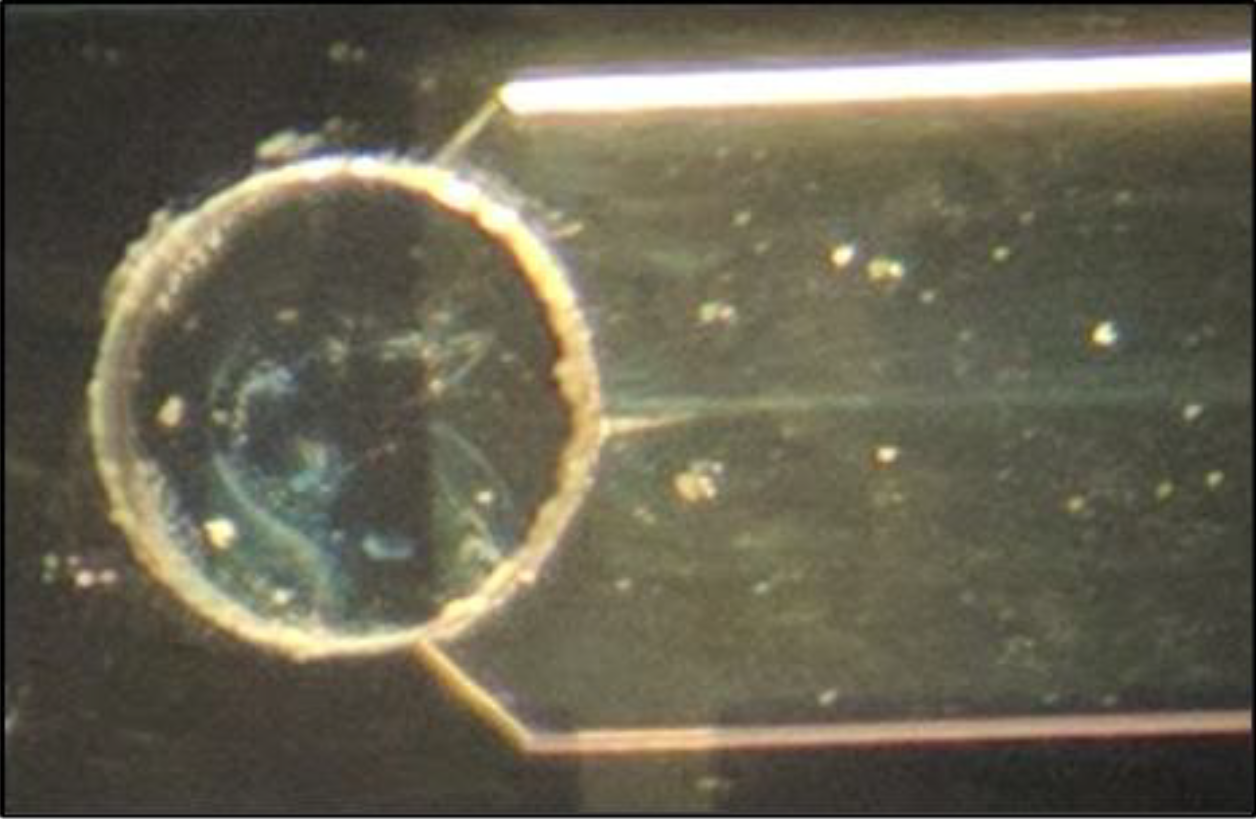
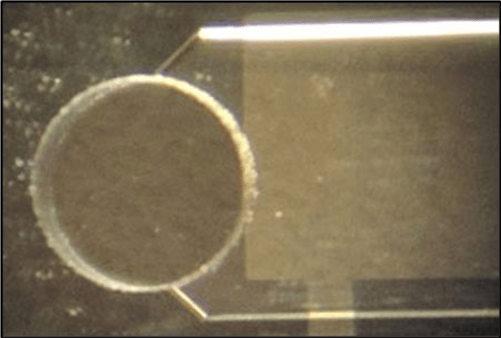
Zymit® Pro Liquid Enzyme Cleaner contains protease enzymes & other ingredients that break down proteins and help remove them from the microfluidic channel. See pictures below of microfluidic flow channel & inlet with protein residue (left) vs. same channel & inlet after cleaned with Zymit® Pro (right).
 |
 |
Although Tergazyme is used in some cleaning applications to remove protein residues, Zymit® Pro holds multiple advantages for cleaning microfluidic and automated instruments, as shown in the table:
Feature |
Zymit® Pro |
Tergazyme |
Physical Form |
Liquid. | Powder. |
Dilution or dissolving required? |
No. Can be used as is (full-strength). |
Yes. Requires dissolving to 1 – 3 wt.%. |
Filtration required? |
No. |
Yes. Requires filtration with a ≤ 1 μm pore-size filter to remove any undissolved particles that could clog the microfluidic channel. |
Shelf life |
2 years from date of manufacture. | 4 – 8 hours after dissolving. |
.png?width=302&height=302&name=Stress%20Test%20CTA%20Tile%20(2).png)